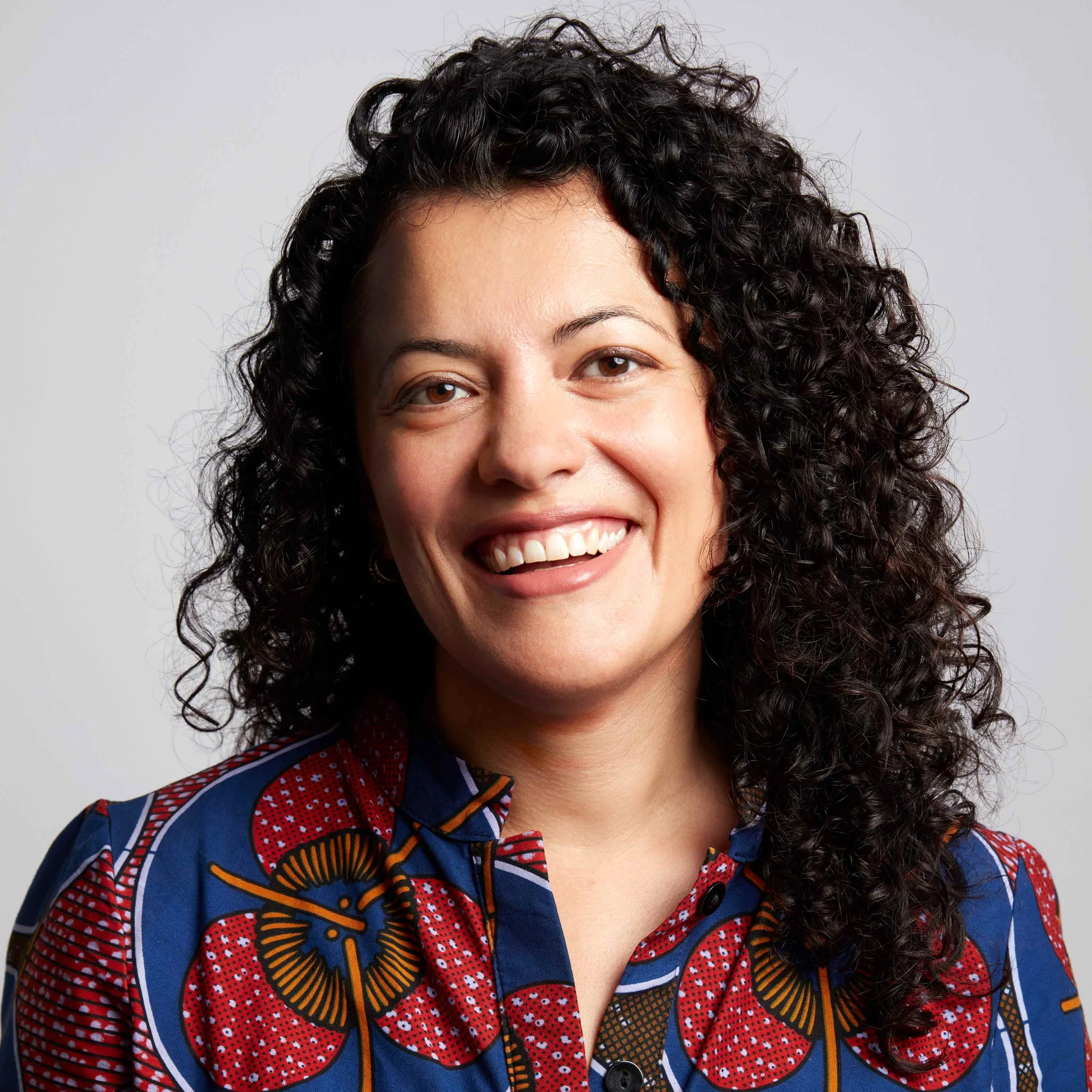
The Psychological & Emotional Impact of Occupation w/ Actress, Director CHERIEN DABIS

The Psychological & Emotional Impact of Occupation w/ Actress, Director CHERIEN DABIS

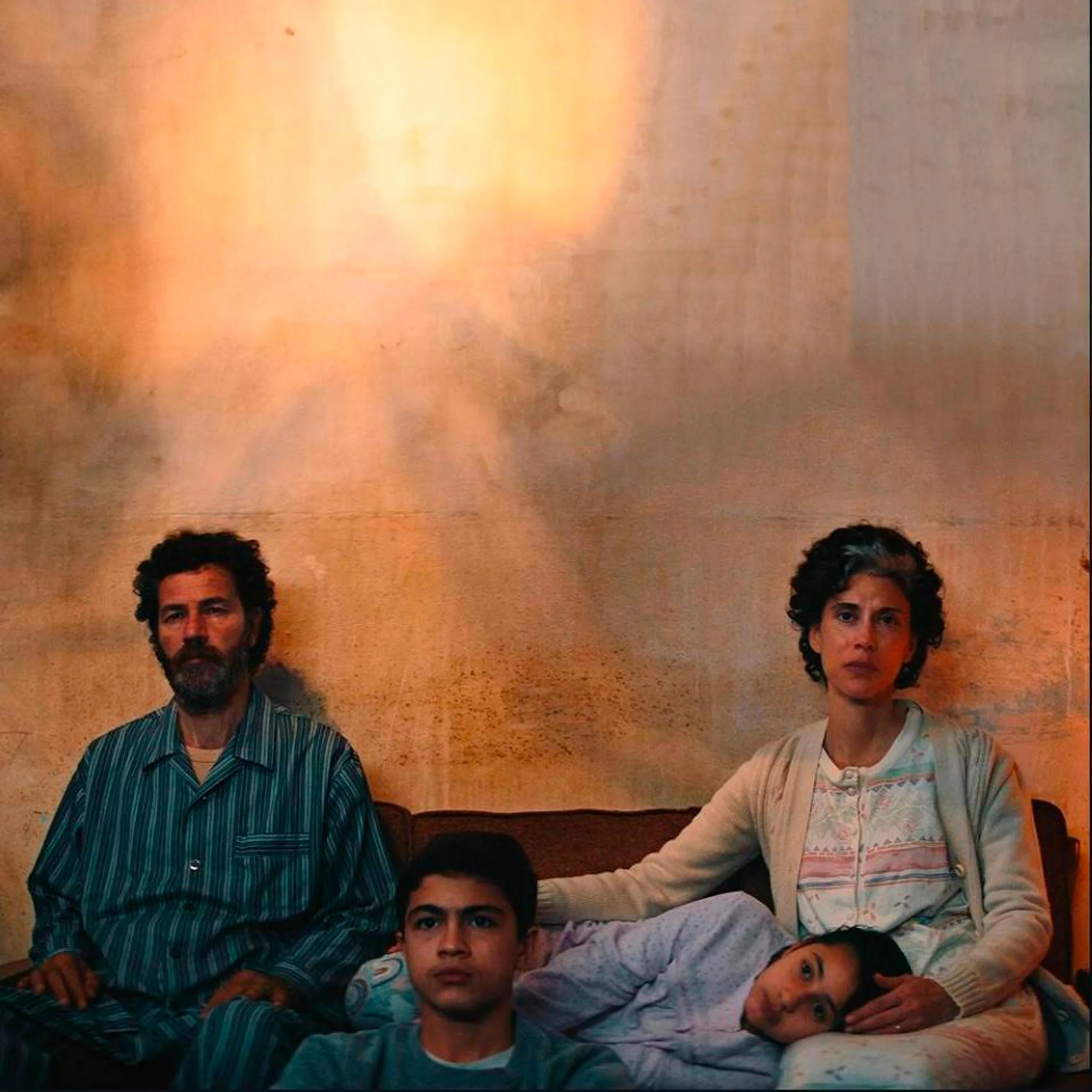
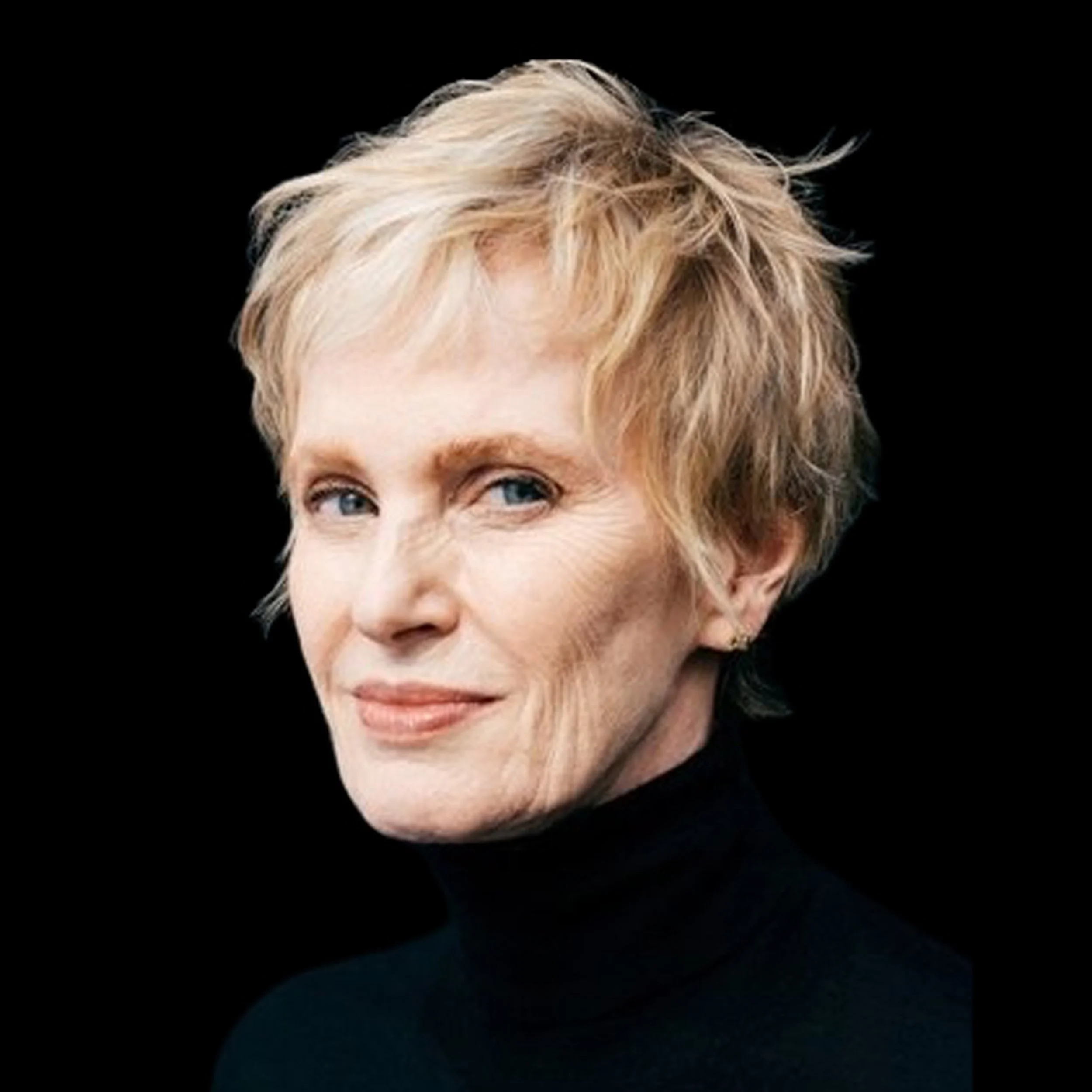
For me, we Palestinians are so much more than our pain and suffering, and the world often sees only our pain and suffering. I wanted to show other facets of who we are, no matter whether we're on the activist side of the spectrum or audience members who don't know very much about the situation. At the end of the day, we all have to choose humanity. In many ways I was inspired by observing the different generations of my own family and how our identities were shaped by everything happening in Palestine. That became the first idea for this film, to really show how it is a collective trauma for all Palestinians. That trauma is being passed down from generation to generation. Even if you're not a direct descendant of Nakba survivors, you still have that trauma. I wanted to explore that passage of trauma, that inheritance of my own trauma and take a look at how history and political events shape people.

Trust, Education & Writing as Resistance w/ AL KENNEDY - Highlights

Trust, Education & Writing as Resistance w/ AL KENNEDY - Highlights

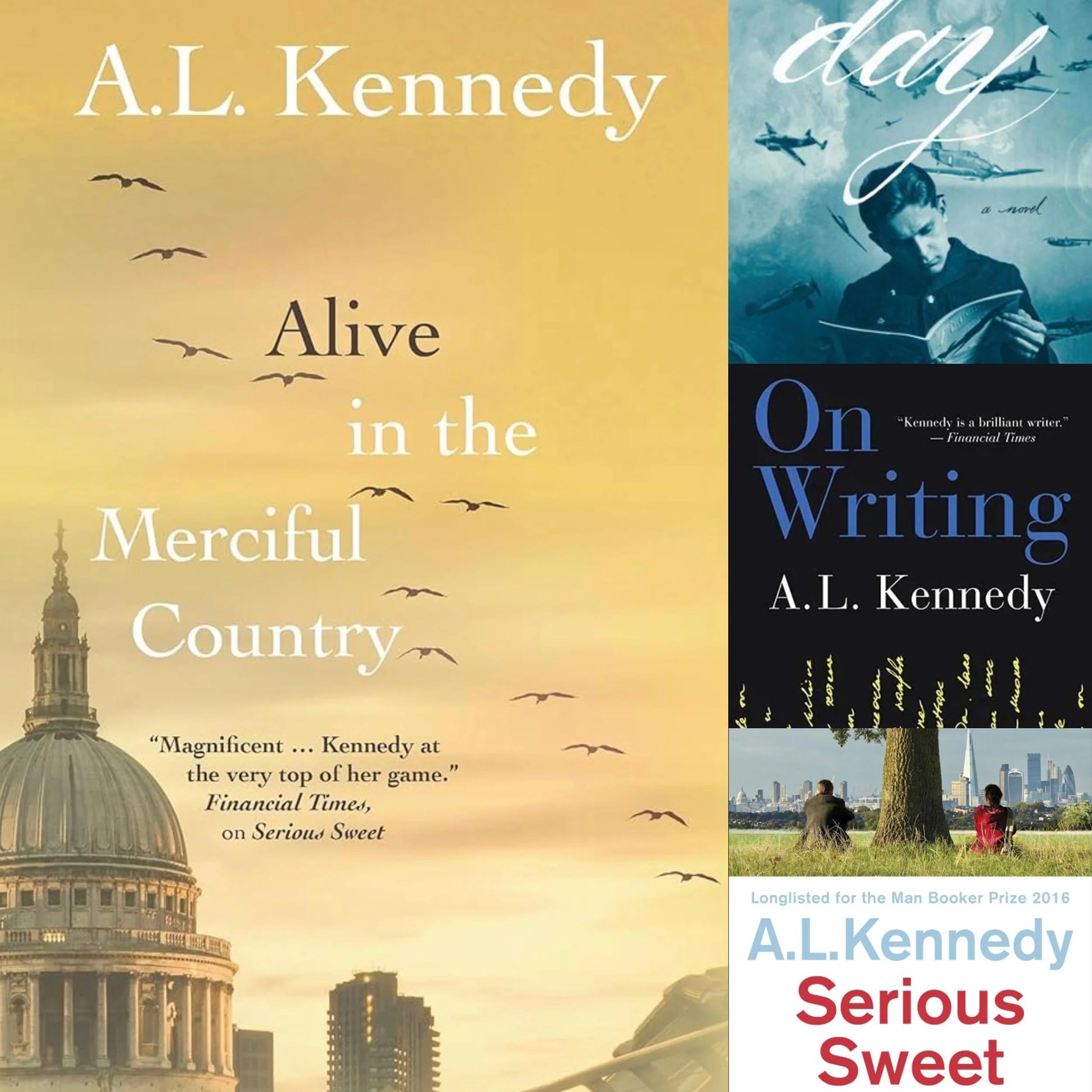
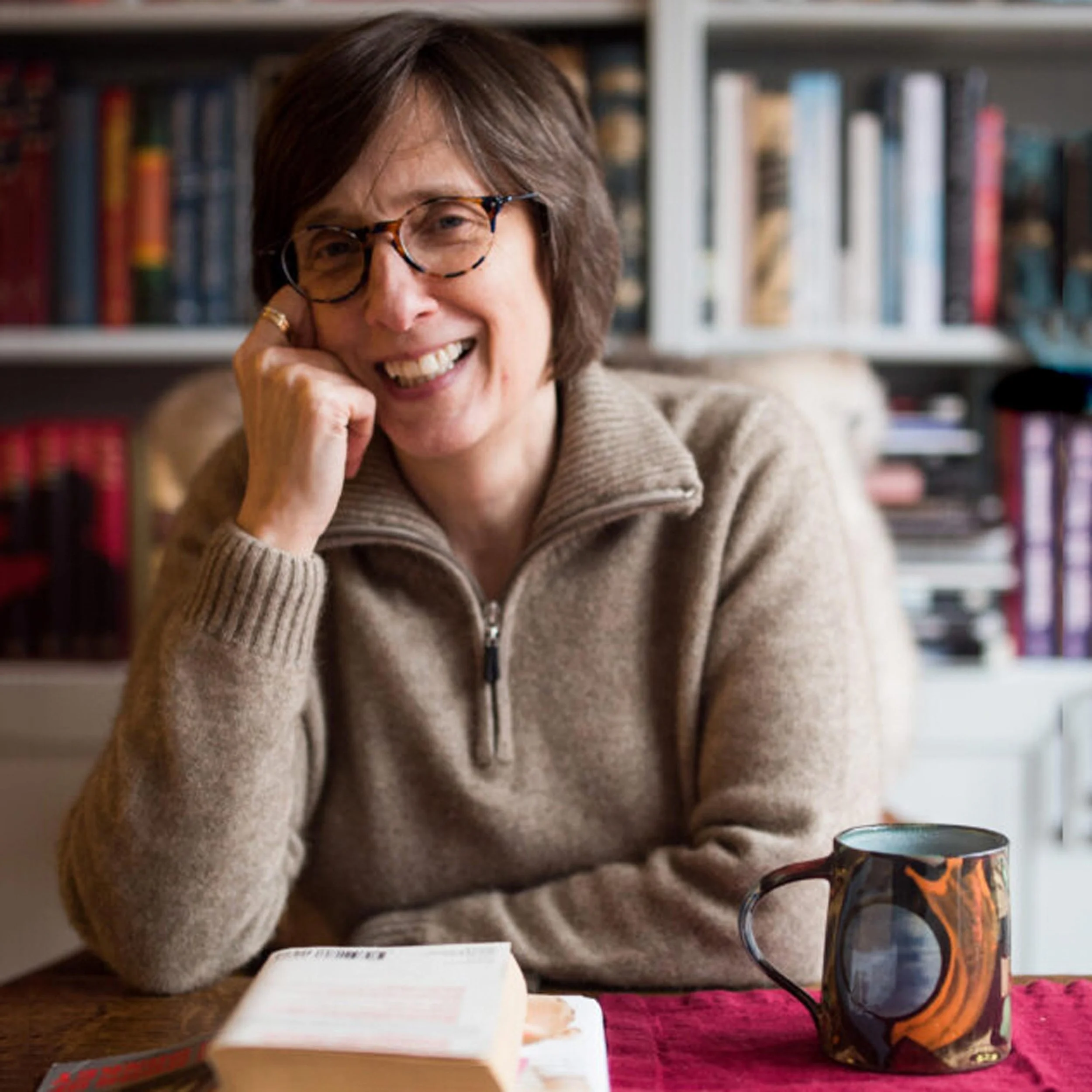
Author · Activist ·  Stand-Up Comedian AL KENNEDY · Author of Alive in the Merciful Country

The thing that puzzled him was why people don't agree to be fully expressed while they're alive. Why does it only happen in their last moment? Why wouldn't you live being fully expressed? If you have love, eventually you're going to win. It's not that people aren't going to die. It's not terrible things aren't going to happen. But if you stay with that and you stay centered in that, you'll get through and you will not have turned into a monster in order to overcome monsters.”

The Art of Fiction, Democracy & Truth with AL KENNEDY

The Art of Fiction, Democracy & Truth with AL KENNEDY

Author · Activist ·  Stand-Up Comedian AL KENNEDY · Author of Alive in the Merciful Country

The thing that puzzled him was why people don't agree to be fully expressed while they're alive. Why does it only happen in their last moment? Why wouldn't you live being fully expressed? If you have love, eventually you're going to win. It's not that people aren't going to die. It's not terrible things aren't going to happen. But if you stay with that and you stay centered in that, you'll get through and you will not have turned into a monster in order to overcome monsters.”

SIRI HUSTVEDT on Love, Grief & Her Late Husband PAUL AUSTER - Highlights

SIRI HUSTVEDT on Love, Grief & Her Late Husband PAUL AUSTER - Highlights

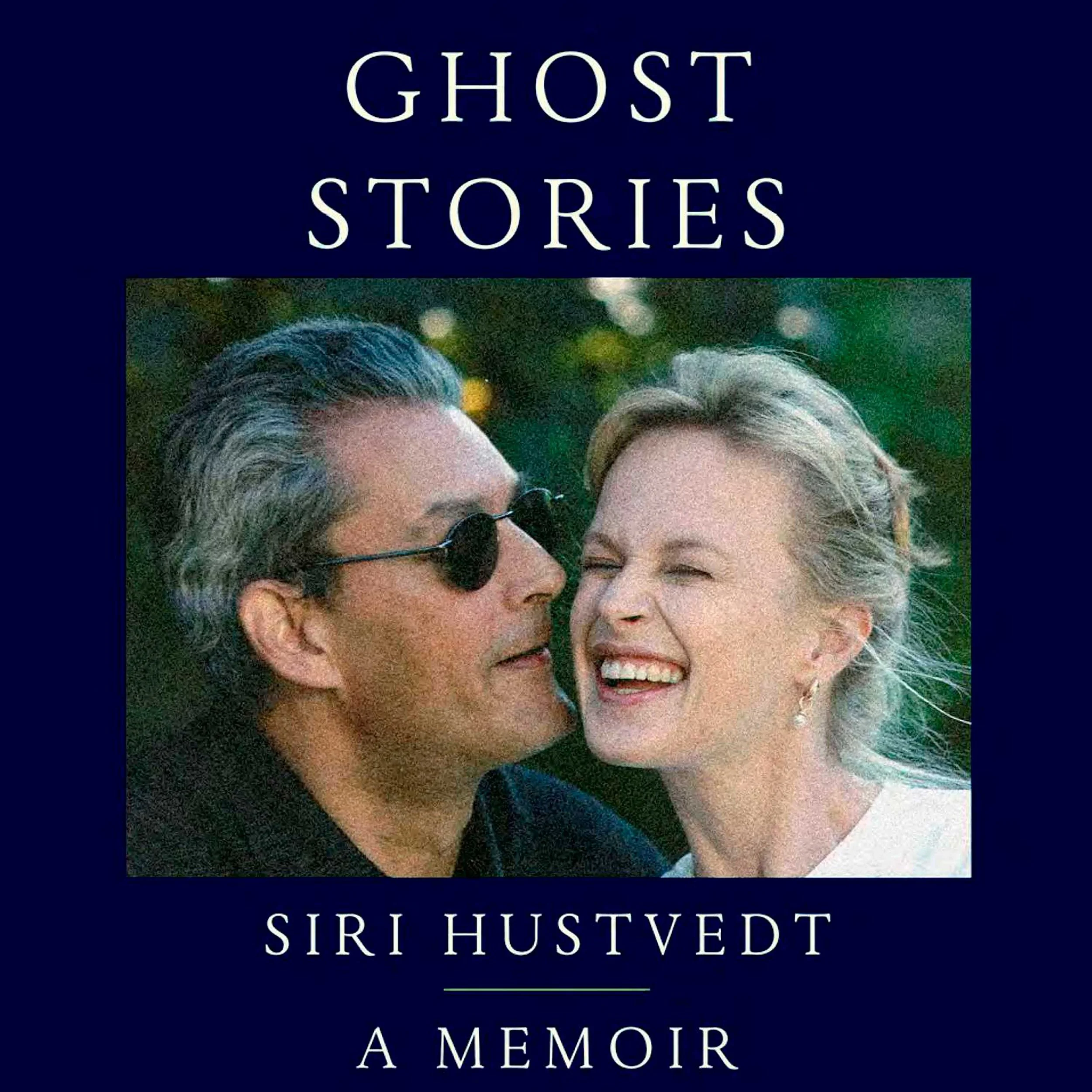
Author SIRI HUSTVEDT Remembers Her Late Husband, PAUL AUSTER

Grief happens because you don't stop loving the person who died. The person doesn't exist in your reality anymore. The everyday is not colored and shaped by this other human being, but you don't stop loving the person. So grief is a particular kind of unrequited love. And probably without that dynamic relationship with this person, I would be someone else. And he would've been someone else. I mean, Paul died before me. But we were, I think, hugely important to the drama of becoming in our own lives.

Ghost Stories · A Memoir of Love & Grief

Ghost Stories · A Memoir of Love & Grief

Author SIRI HUSTVEDT Remembers Her Late Husband, PAUL AUSTER

Grief happens because you don't stop loving the person who died. The person doesn't exist in your reality anymore. The everyday is not colored and shaped by this other human being, but you don't stop loving the person. So grief is a particular kind of unrequited love. And probably without that dynamic relationship with this person, I would be someone else. And he would've been someone else. I mean, Paul died before me. But we were, I think, hugely important to the drama of becoming in our own lives.

Who Are We? What Makes Us Care? Jim Shepard, Neil Patrick Harris, John Patrick Shanley & Artists Share Their Stories

Who Are We? What Makes Us Care? Jim Shepard, Neil Patrick Harris, John Patrick Shanley & Artists Share Their Stories

We explore the internal dialogues of artists and writers to ask what it means to step into someone else's shoes and expand our sense of solidarity through stories. Jim Shepard, Neil Patrick Harris, Katie Kitamura, Laura Eason, Sharmeen Obaid-Chinoy, Benoit Delhomme, Etgar Keret, Viet Thanh Nguyen, Adam Moss, John Patrick Shanley and Nicholas Kristof share their stories.

The Healing Power of the Arts: Longevity, Immunity & Wellbeing w/ DAISY FANCOURT - Highlights

The Healing Power of the Arts: Longevity, Immunity & Wellbeing w/ DAISY FANCOURT - Highlights

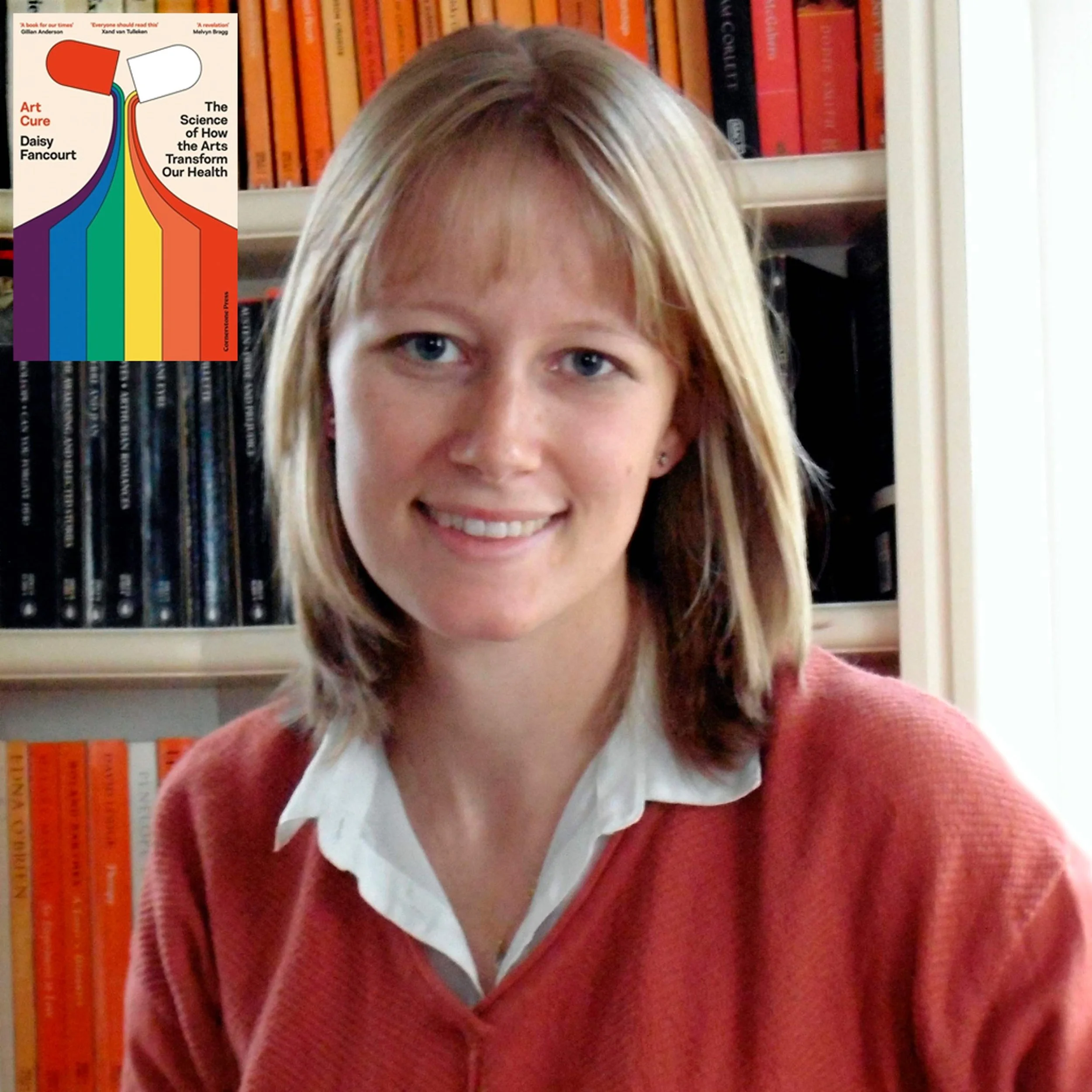
DAISY FANCOURT · Author of Art Cure · Director of WHO Collaborating Centre on Arts & Health · Prof. Psychobiology & Epidemiology at UCL

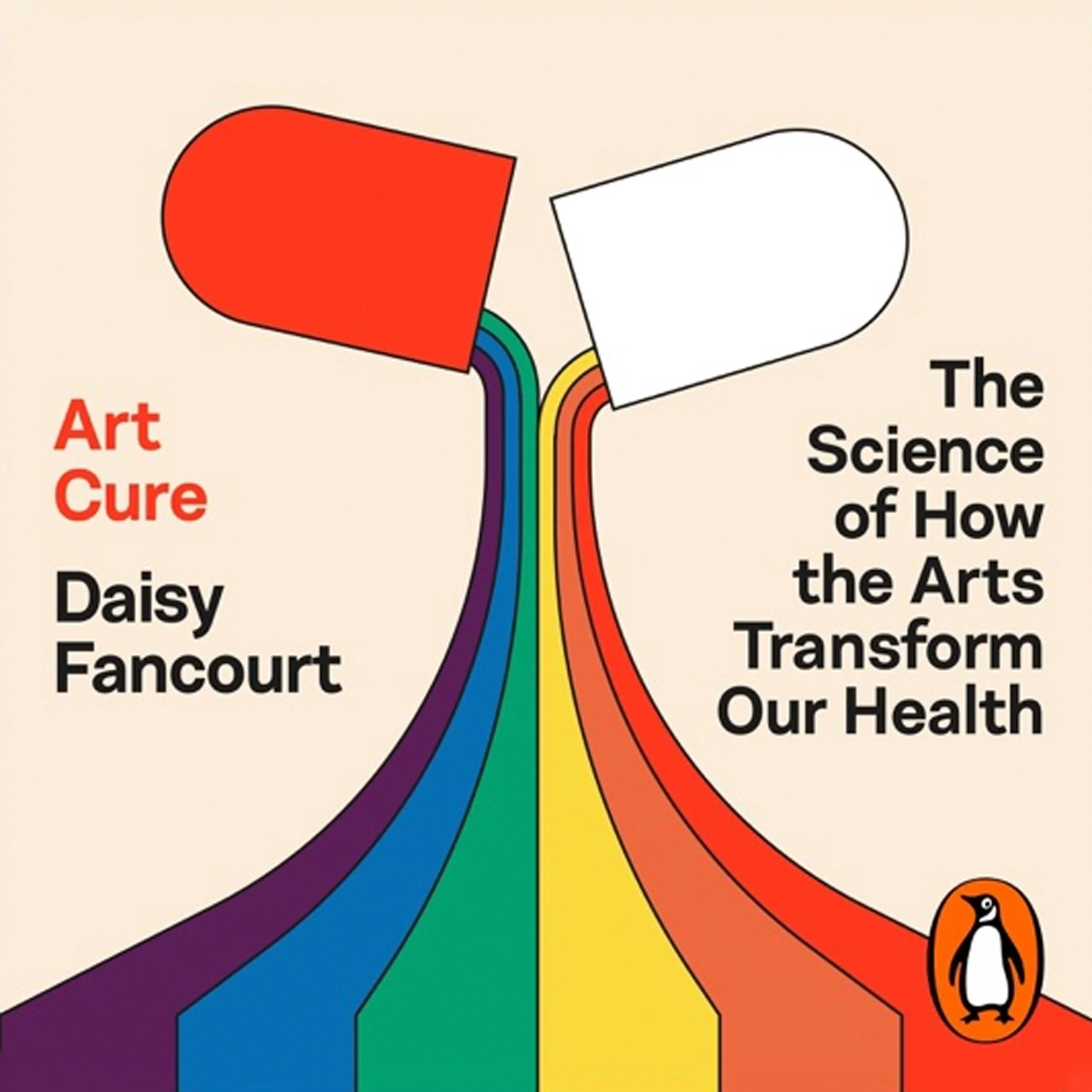
Within society we seem to have separated the arts out, so they’re not so much a part of our daily lives. As I’ve become a mother and I have children now, it’s been really eye-opening to rediscover lots of arts things that I’d stopped doing in my own childhood. But now coming back to them I think probably the most meaningful one for me is one I describe in the book, which is about my younger daughter, Daphne, who was premature and unfortunately got incredibly ill with meningitis and was in intensive care when she was just a few days old.

ART CURE: How the Arts Can Transform Our Health with DAISY FANCOURT

ART CURE: How the Arts Can Transform Our Health with DAISY FANCOURT

Author of Art Cure · Director of WHO Collaborating Centre on Arts & Health · Prof. Psychobiology & Epidemiology at UCL

Within society we seem to have separated the arts out, so they’re not so much a part of our daily lives. As I’ve become a mother and I have children now, it’s been really eye-opening to rediscover lots of arts things that I’d stopped doing in my own childhood. But now coming back to them I think probably the most meaningful one for me is one I describe in the book, which is about my younger daughter, Daphne, who was premature and unfortunately got incredibly ill with meningitis and was in intensive care when she was just a few days old.

Writers on Memory, Language & the Power of the Unconscious

Writers on Memory, Language & the Power of the Unconscious

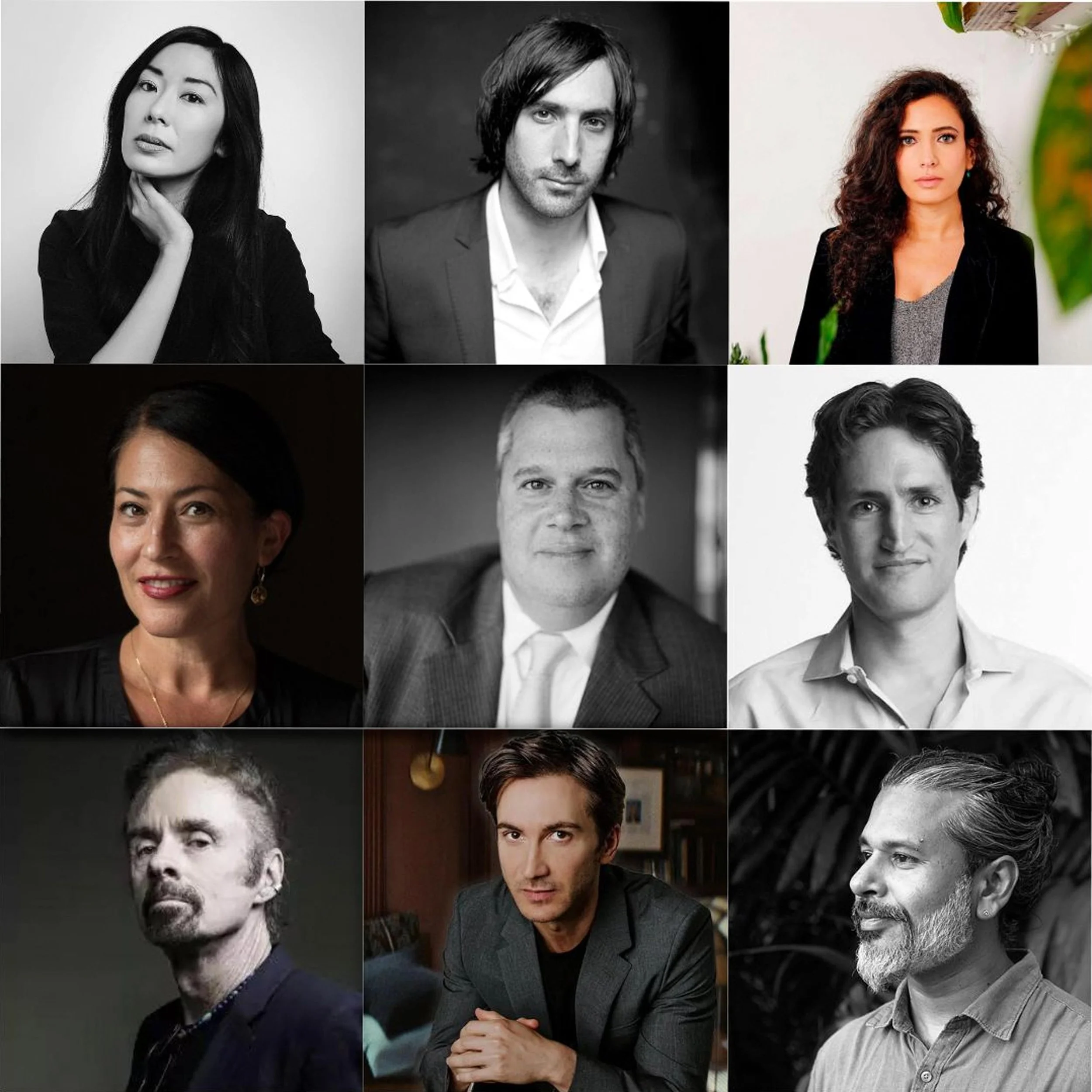
Katie Kitamura, Paul Lynch, Daniel Pearle, Hala Alyan, T.C. Boyle, Adam Alter, Shehan Karunatilaka, Daniel Handler a.k.a Lemony Snicket, and Ada Limón share their stories

How can we use negative spaces in fiction to engage with readers’ imaginations? How are memory and trauma passed onto us through language? How do we become more than the stories we tell ourselves?

In the Presence of the DALAI LAMA - Doc. Director of WISDOM OF HAPPINESS - Highlights

In the Presence of the DALAI LAMA - Doc. Director of WISDOM OF HAPPINESS - Highlights

 Everybody wants happiness, joyfulness, peaceful world. Our 21st century will not be easy century… I can change my mind. I can reduce anger, hatred. Nothing to do with religion. All religions carry the message of love, loving kindness, and tolerance. This century should be century of compassion, century of peace. No more bloodshed. We should develop a big “we,” rather than “we” or “they.” With these wings, you can fly. -DALAI LAMA

WISDOM OF HAPPINESS - Heart-to-Heart w/ DALAI LAMA - Conversation w/ Director Barbara Miller

WISDOM OF HAPPINESS - Heart-to-Heart w/ DALAI LAMA - Conversation w/ Director Barbara Miller

 Everybody wants happiness, joyfulness, peaceful world. Our 21st century will not be easy century… I can change my mind. I can reduce anger, hatred. Nothing to do with religion. All religions carry the message of love, loving kindness, and tolerance. This century should be century of compassion, century of peace. No more bloodshed. We should develop a big “we,” rather than “we” or “they.” With these wings, you can fly. -DALAI LAMA

Listening to the Planet -  Writers' Perspectives on Nature, Place & Interconnectedness

Listening to the Planet - Writers' Perspectives on Nature, Place & Interconnectedness

Katie Kitamura, Eiren Caffall, Jay Parini, Irvin Weathersby Jr., Natasha Hakimi Zapata, Audrea Lim & Dr. Bayo Akomolafe share their stories

How do our environments shape who we are and how we care for the world and each other? There are many solutions to climate change, inequality, and poverty around the world. How can we learn from them and transform our society?

The Arrogant Ape: The Myth of Human Exceptionalism & Why it Matters with CHRISTINE WEBB

The Arrogant Ape: The Myth of Human Exceptionalism & Why it Matters with CHRISTINE WEBB

A Conversation with Primatologist CHRISTINE WEBB

There are many ways in which I think human exceptionalism has seeped into the sciences, but one of the many ways is through the methodologies we use when we compare the intelligence of humans and other species. In particular, in my field, I’m a primatologist by training, comparing the cognitive abilities of humans with the abilities of our closest living relatives, the great apes. Many times, those studies compare the intelligence of captive chimpanzees who are living in highly restricted, manmade environments. Often, these chimpanzees have been separated from their biological mothers at birth. They're often separated from the group during testing. They're subjected to very human-centric experimental paradigms, like playing with plastic puzzle boxes or computer touchscreens, and we're measuring how they perform on these tasks.

Nordic Art & Contemporary Perspectives at the ARKEN MUSEUM OF CONTEMPORARY ART - Highlights

Nordic Art & Contemporary Perspectives at the ARKEN MUSEUM OF CONTEMPORARY ART - Highlights

We don't need to find an end solution, but it's a space where we can speculate, imagine, and practice our foresight. We can be part of a bigger imagination together with an institutional framework, which is really what we try to motivate as well when we communicate these exhibitions to our audience and speak with our guests about these works. 

We can also sense that it's really a place where a lot of people like to enter these days. When you turn on a TV, look at a newspaper, listen to your radio, or speak with your friends, it seems like the world is falling apart on so many levels. It's such a challenging time. I think we can also offer this space for reflection and hopefully provide a reflection that gives some idea or feeling of agency. I think that is one of the places where we are really challenged, especially when we speak to kids and young people, as they often feel they have little agency in creating a better future for themselves. So, I believe we can really give that space to our audiences by showcasing some of these groundbreaking practices that are out there right now in contemporary art.

For me, it's this awe that I feel every time I meet an artist who has the courage to deal with what it means to be in the world as a human being and to tackle it from different ways and through different media. I always feel that through the collaborations I have with artists, I learn a little bit more about the world.

The Future of Museums with MARIE NIPPER, Director of ARKEN MUSEUM OF CONTEMPORARY ART

The Future of Museums with MARIE NIPPER, Director of ARKEN MUSEUM OF CONTEMPORARY ART

We don't need to find an end solution, but it's a space where we can speculate, imagine, and practice our foresight. We can be part of a bigger imagination together with an institutional framework, which is really what we try to motivate as well when we communicate these exhibitions to our audience and speak with our guests about these works. 

We can also sense that it's really a place where a lot of people like to enter these days. When you turn on a TV, look at a newspaper, listen to your radio, or speak with your friends, it seems like the world is falling apart on so many levels. It's such a challenging time. I think we can also offer this space for reflection and hopefully provide a reflection that gives some idea or feeling of agency. I think that is one of the places where we are really challenged, especially when we speak to kids and young people, as they often feel they have little agency in creating a better future for themselves. So, I believe we can really give that space to our audiences by showcasing some of these groundbreaking practices that are out there right now in contemporary art.

For me, it's this awe that I feel every time I meet an artist who has the courage to deal with what it means to be in the world as a human being and to tackle it from different ways and through different media. I always feel that through the collaborations I have with artists, I learn a little bit more about the world.

How to Make an Algorithm in the Microwave with Poet MAYA SALAMEH

How to Make an Algorithm in the Microwave with Poet MAYA SALAMEH

Poetry is like one of the great loves of my life, and I think it's probably the longest relationship I'll ever have. I read a lot of poetry. I also wrote these short stories even when I was pretty young, like in second grade, and the stories kept getting shorter and shorter. My family used to go to Damascus in Syria and Lebanon every summer for three months until 2011, when the Civil War broke out in Syria. In 2015, we made our first return after that gap, and my father and I went to Lebanon for two weeks. It's the first time I felt that I belong. To the extent that was true or not, I'm obviously irrevocably American. I speak broken Arabic. I don't think I could ever live in Lebanon or Syria. But for what it was worth at 15 years old, it was a life-changing trip. I wrote my first official poem on the plane back to San Diego from that trip, and I feel that was a formative moment for me. I felt that I had a story to tell and wanted to put it to paper in the form of poetry.

In 2015, we made our first return after that gap, and my father and I went to Lebanon for two weeks. Being back in one of my two homelands as a more fully formed person and not like a young child, I thought, "Wow, this is the first time I've been in an Arabic-speaking Arab place as a teenager." 

Art is a Fundamental Element of Life - Gallerist HANNAH BARRY on a Life in Art

Art is a Fundamental Element of Life - Gallerist HANNAH BARRY on a Life in Art

There's something fundamental about the value of art and culture. Not just being integrated for vocational reasons, but because the experience of art and having a cultural element in one's life brings enjoyment, learning, relief, or any of the many experiences and feelings that art provides. I think this is quite fundamental as an element of life. Creativity is key in any career and also in personal life, especially in terms of problem-solving, relationships, kindness, compassion, and empathy. The arts, creativity, and the cultural world at large are not just nice to have; they are essential. Their value is fundamental, although sometimes it's extremely difficult to define in a way that aligns with what people might prefer. To see the arts lost from the developmental moments in one's life is tragic. Developmental moments in life come at all points in the arc of one's existence. To see that taken or diminished is unfortunate. Everyone involved in working with artists, artists themselves, or those who are creative knows this and believes in it.

 Empire of AI: Dreams & Nightmares in Sam Altman's Open AI with KAREN HAO

 Empire of AI: Dreams & Nightmares in Sam Altman's Open AI with KAREN HAO

My book is called Empire of AI because I'm trying to articulate this argument and illustrate that these companies operate exactly like empires of old. I highlight four features that essentially encapsulate the three things you read. However, I started talking about it in a different way after writing the book.

The four features are: they lay claim to resources that are not their own, which is the centralization of resources; they exploit an extraordinary amount of labor, both in the development of the technology and the fact that they're producing labor-automating technologies that then suppress workers' ability to bargain for better rights; they monopolize knowledge production, which comes when they centralize talent.

Arabic Literature, Palestine & The Art of Translation with HUDA FAKHREDDINE

Arabic Literature, Palestine & The Art of Translation with HUDA FAKHREDDINE

A Conversation with HUDA FAKHREDDINE
Writer · Translator · Associate Professor of Arabic Literature · University of Pennsylvania

I'm Lebanese. I grew up in Lebanon during the Civil War, and I came to the United States as a graduate student with the intention of going back. I never wanted to stay here. I really thought that my life would happen in Beirut, in a city that I loved and hated in the healthiest of ways. My investments, both literary and intellectual, were rooted there. I came here as a graduate student and joined the PhD program, and then the events continued to unfold there, making life more and more of a risk, building a life in a place like Lebanon. The most important counterpoint in my life was meeting my partner, Ahmad Almallah, who is Palestinian. So immediately, my life became the life of a Palestinian by association. Of course, the past two years—almost two years—have been surreal. I sometimes don't believe that we're going through what we're going through because, as security concerns have become something we think about at home, when we walk from home to campus or my office, I'm constantly anxious to open my mail because often there are things that will require a lot of energy, time, emotion, and are emotionally taxing. There’s a lot of rage now in many aspects of my life, but all that aside, my personal experience—both professional and personal, and at home, familial—are not exceptional. Many other people are experiencing intimidation, silencing, and feeling cornered, censored, and oppressed just because they took a stand—a very decent, normal, basic human stand against genocide.

The Poetics & Pedagogy of Toni Cade Bambara, June Jordan, Audre Lorde &Adrienne Rich in the Era of Free College w/ DANICA SAVONICK

The Poetics & Pedagogy of Toni Cade Bambara, June Jordan, Audre Lorde &Adrienne Rich in the Era of Free College w/ DANICA SAVONICK

A Conversation with DANICA SAVONICK about her book Open Admissions: The Poetics and Pedagogy of Toni Cade Bambara, June Jordan, Audre Lorde, and Adrienne Rich in the Era of Free College

As I was reading Hooks and Freire, a colleague recommended Adrian Rich's essay "Teaching Language in Open Admissions." It was in that essay that I first read about her experiences teaching at CUNY during open admissions, learning that she taught alongside June Jordan, Audre Lorde, and Toni Cade Bambara. Eventually, that essay led me to their archival teaching materials. I was really excited because I found in those materials concrete teaching methods, things they were doing in their own classrooms that I then started trying in my classrooms as well. I also really liked their educational philosophies, thinking about what it means for college to be free and the fact that they were teaching during this revolutionary era. What would that look like today? What would it mean? What could free college bring to our society? What does free college make possible? All of those things coming together led me to the project.