CHAYSE IRVIN

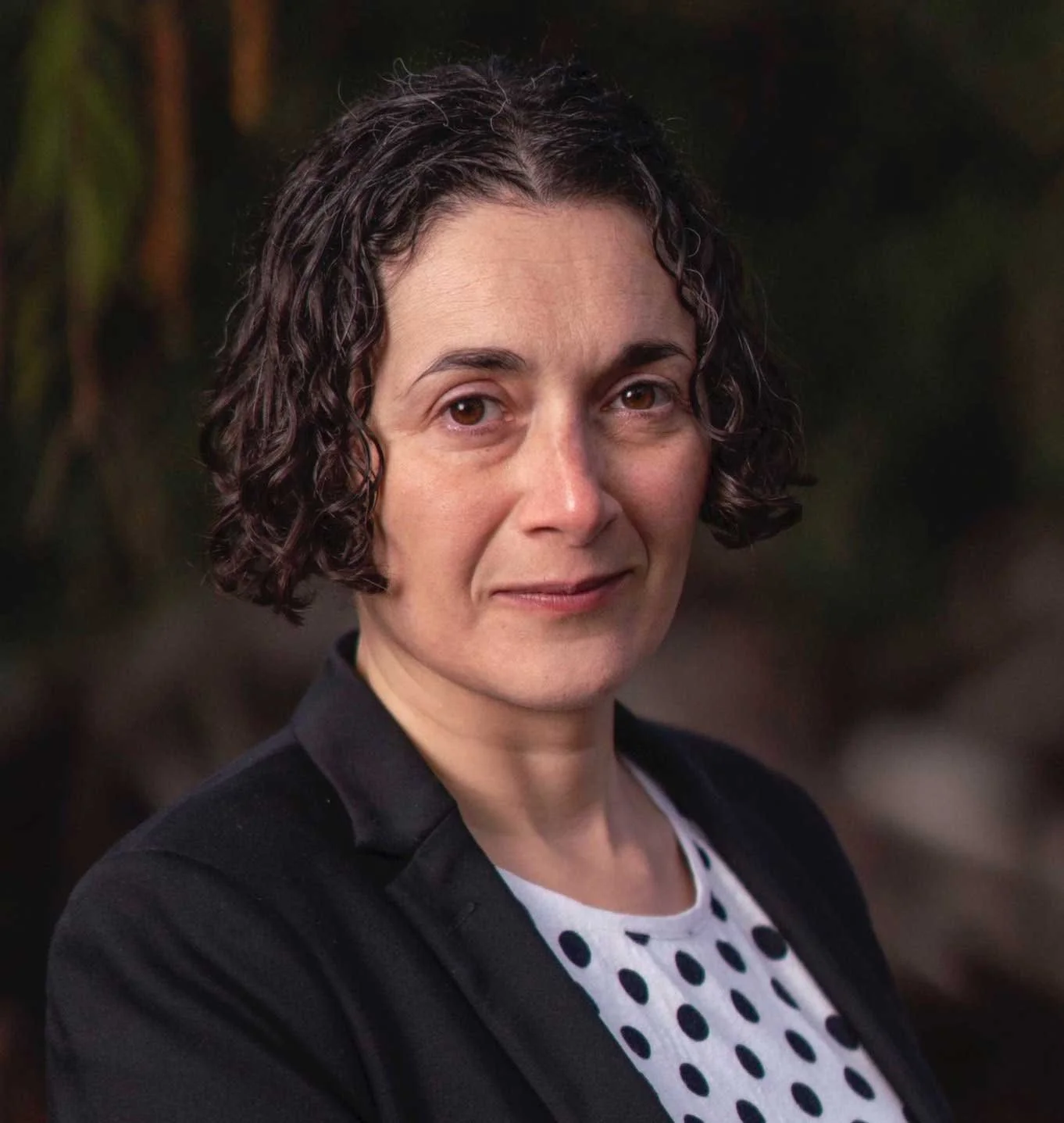
CHAYSE IRVIN

Award-winning Cinematographer
Blonde starring Ana de Armas · Beyonce: Lemonade · Spike Lee’s BlacKkKlansman

That's all I can do on a movie. I can't really make a movie good or not because that's decided by the spectator. That's not in my control. All I can do is give it everything that I have. Like that's just the love I have to give. So why bring in all these other things? Just set it up so you can give it everything that you've got each time. In those theoretical considerations about how a scene can function or be rendered or shot or executed or all these things, just think of it as, "Oh, this is the challenge." I want authenticity. How do we create an environment where that's more likely to happen? Because it's never going to be something that I can enforce, and the more I try to enforce it, the less likely it'll happen. For me, the more risky things, the more things that defied expectations are really important to me. I guess it even goes down to just novelty. How do you create a need or a yearning? And the spectator, you create a particular rhythm and then you change that rhythm, and then it's almost like you try to sensitize your spectator to these ideas by defining a particular rhythm that you've set for them.

JASON deCAIRES TAYLOR

JASON deCAIRES TAYLOR

Sculptor · Environmentalist · Creator of Underwater Museums

The sculptures get claimed and almost owned by the sea. And the textures that form the patterns, all things that could never be reproduced by human hands. And it's entirely unpredictable in many cases. I go to some of the "museums" expect to see this type of colonization or this type of growth, and it's nothing like how I've seen it envisaged it. It's completely different. Other times something has been made at its home, and there's an octopus that's built a house around it, or there's a school of fish that have nestled within the formations. There have been many, many different surprises along the way. I first started in the West Indies on an island called Grenada, which has a tropical reef system. And I expected the works to be sort of colonized. And I knew hard corals took a very long time to get established, to build their calcium skeletons, but actually, they were colonized within days. We saw white little calcareous worms, pink coraline algae, and green algae literally appeared sort of overnight.

DR. RUPERT SHELDRAKE

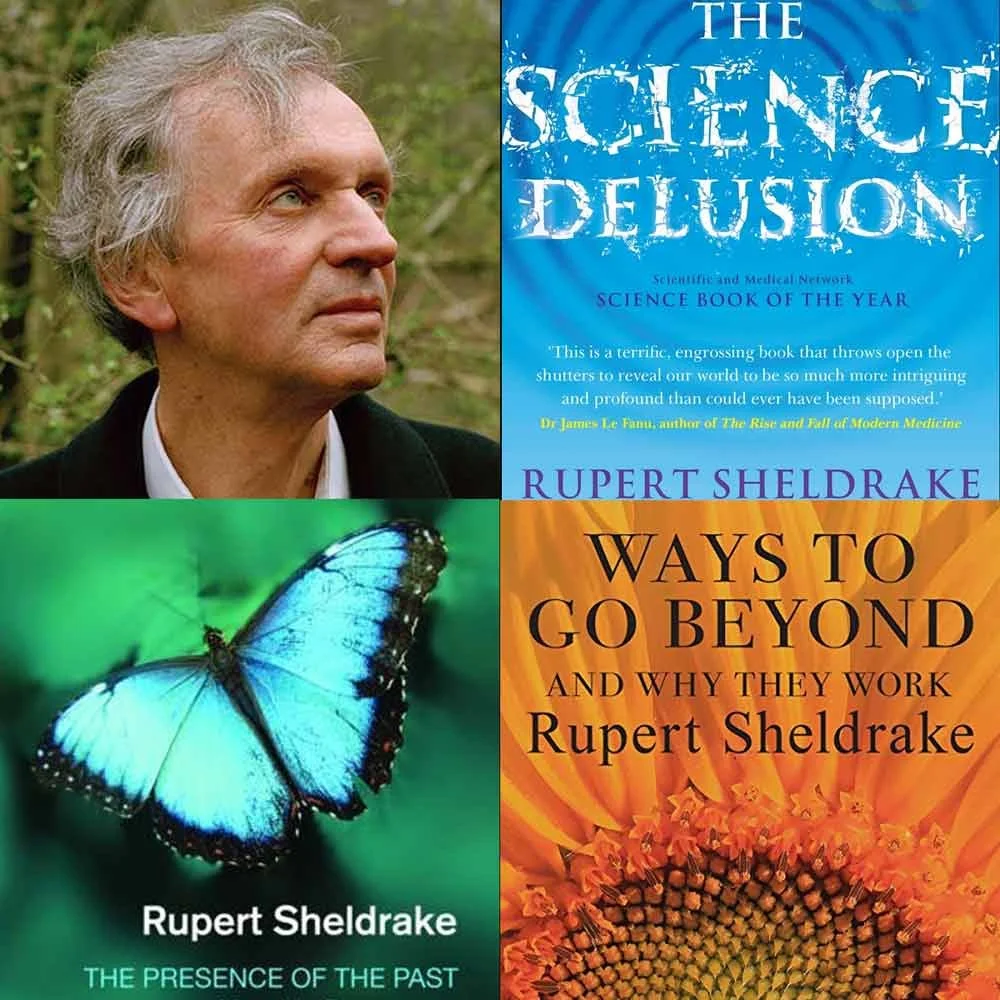
DR. RUPERT SHELDRAKE

Biologist · Author
The Science Delusion · The Presence of the Past · Ways to Go Beyond and Why They Work

The idea that the laws of nature are fixed is taken for granted by almost all scientists and within physics, within cosmology, it leads to an enormous realm of speculation, which I think is totally unnecessary. We're assuming the laws of nature are fixed. Most of science assumes this, but is it really so in an evolving universe? Why shouldn't the laws evolve? And if we think about that, then we realize that actually, the whole idea of a law of nature is a metaphor. It's based on human laws. I mean, after all, dogs and cats don't obey laws. And in tribes, they don't even have laws. They have customs. So it's only in civilized societies that you have laws. And then if we think through that metaphor, then actually the laws do change. All artists are influenced by other artists and by things in the collective culture, and I think that morphic resonance as collective memory would say that all of us draw unconsciously as well as consciously on a collective memory and all animals draw on a collective memory of their kind as well. We don't know where it comes from, but there's true creativity involved in evolution, both human and natural.

JULIAN LENNON

JULIAN LENNON

Singer-songwriter · Photographer · Documentary Filmmaker
Founder of The White Feather Foundation
Executive Producer of Common Ground

I thought, wow, how are they going to bring this across in a way that isn't shoving things down people's throats? It's presenting information in a way that is creative, but also in a way that drives your curiosity into understanding, number one, why are we in the position that we're in? And number two, how can we fix this? What can we do to change all of this? And so, I initially got involved as an executive producer on Kiss the Ground, and I was blown away by how that film came out at the end. How well rounded it was, the flow of the film, the storytelling, and really feeding me information that I didn't even know previously. And so also watching that become a platform around the world was jaw-dropping. I mean, the fact that the belief and the understanding and the wisdom that came out of that project has touched so many hearts, minds, and souls around the world, that people are really single-handedly almost making change for the better around the world. Now, when Common Ground was presented, I did love that concept because Kiss the Ground had been very much a broad approach and about America, for the majority, really, and Common Ground was a much more...I mean, we're still dealing with the same subject matter obviously, but I think it felt great to come from a more personal aspect." 

JOHN PATRICK SHANLEY

JOHN PATRICK SHANLEY

Academy Award · Tony · Pulitzer Prize-winning Writer/Director
Doubt starring Meryl Streep, Philip Seymour Hoffman, Amy Adams
Moonstruck · Wild Mountain Thyme · Danny and the Deep Blue Sea · Joe Versus the Volcano

I knew Philip Seymour Hoffman for several years. We went on vacation together. He produced a play of mine. Before we did Doubt, we worked in the same theater company together, and he was, you know, very committed to excellence. And so he could become impatient with anybody who was not committed to excellence, and that could make him a volatile person to deal with. Phil cared. He cared a great deal. And he worked really hard. They're very committed. Like with Viola Davis. Viola had done a decent amount of big work before Doubt, but she was not recognized yet. And she was careful. You know, she certainly wasn't throwing weight around. She was, I'm the new kid on the block, and I'm just here to work and be serious and do my job, keep my head down, and get out. And pretty much that's what I was doing too, you know, because I've got Meryl Streep, I've got Philip Hoffman, who I was friends with, but Phil's not an easy guy to be friends with or was not easy to be friends with. He's a very prickly person prone to getting pissed off about things that you might not expect. And then Amy Adams was somebody who, you know, tried to get along with everybody and Phil would say like, 'You just want everybody to like you.' So, you know, you're in the middle of that group, and you just, you don't want to put yourself in a position where you're trying to prove something. You have to let them...they're very, very smart people, and they're going to figure out whatever it is that you're doing. They're going to figure out whether you are in any way trying to handle that. And that's not going to go well. And so I didn't do that.

MANUELA LUCÁ-DAZIO

MANUELA LUCÁ-DAZIO

Executive Director of the Pritzker Architecture Prize
Fmr. Executive Director of Venice Biennale (Dept. of Visual Arts & Architecture)

When I started and I had to decide what to do in life - because I was working with museums, in exhibition design, and on the restoration of buildings - and then at some point, I had the chance to arrive at the Venice Biennale and my whole perspective changed. And it changed because I was working with living artists and architects. Until that moment, I was working around Old Masters, works in museums, and things that were there with the aura of history. And all of a sudden I was dealing with living architects and artists, and this was, for me, the most incredible experience. So I decided to leave all the rest, because I was doing quite a lot at the same time, and to concentrate on the Biennale.

ANDRI SNÆR MAGNASON

ANDRI SNÆR MAGNASON

Icelandic Writer & Documentary Filmmaker
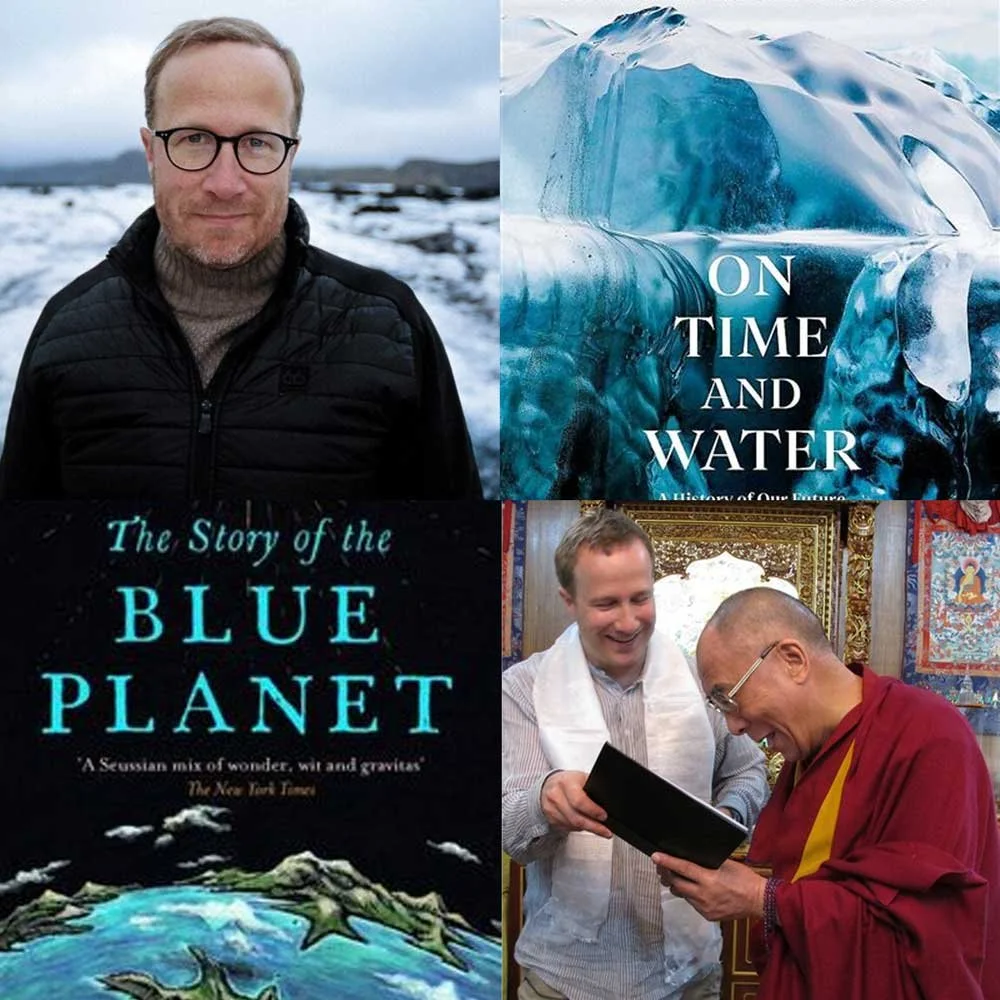
On Time and Water · The Casket of Time · LoveStar · Not Ok · The Story of the Blue Planet

A letter to the future
Ok is the first Icelandic glacier to lose its status as a glacier.
In the next 200 years all our glaciers are expected to follow the same path.
This monument is to acknowledge that we know what is happening and what needs to be done.
Only you know if we did it.

If you look at the Himalayas, the frozen glaciers are feeding 1 billion people with milky white water. The real tragedy is if the Himalayan glaciers go the same way as Iceland. In many places in the world, glaciers are very important for agriculture and the basic water supply of people.

ARNOLD SCHWARZENEGGER

ARNOLD SCHWARZENEGGER

ATHLETE · ACTOR · AMERICAN · ACTIVIST
DIAN HANSON discusses photographic homage to ARNOLD SCHWARZENEGGER

Why I was different from all the other boys in my town I cannot tell you. I was simply born with the gift of vision.
– ARNOLD SCHWARZENEGGER

It's not just that he grew up in a rural environment too. He was born on July 30th, 1947. And most of us today don't have any understanding or relationship to what Europe was like right after World War II. The winter of 1946/1947 in Austria was the most brutal in decades. The people already had too little food. They were in an occupied country. The summer potato crops failed. As Arnold has said, his mother had to go from farm to farm to farm, begging for food to be able to feed her children. His father, like all the men in the village, was defeated by the war. And he saw them all physically, emotionally, intellectually defeated and taking it out on their wives and children, that he was beaten and his mother was beaten. All the neighbor kids were beaten, and they were beaten into a kind of placid defeat. And he alone would not accept that. He could not see that life for himself. And so he wanted out of that. And as a poor boy, he had nothing but his body to work with. That was it. There was not going to be any college. There was not going to be any of that. There was going to be some kind of menial job, or he could use what he had - his body - to get him out of there.

NEIL PATRICK HARRIS

NEIL PATRICK HARRIS

Actor · Comedian · Filmmaker · Magician · Singer · Writer

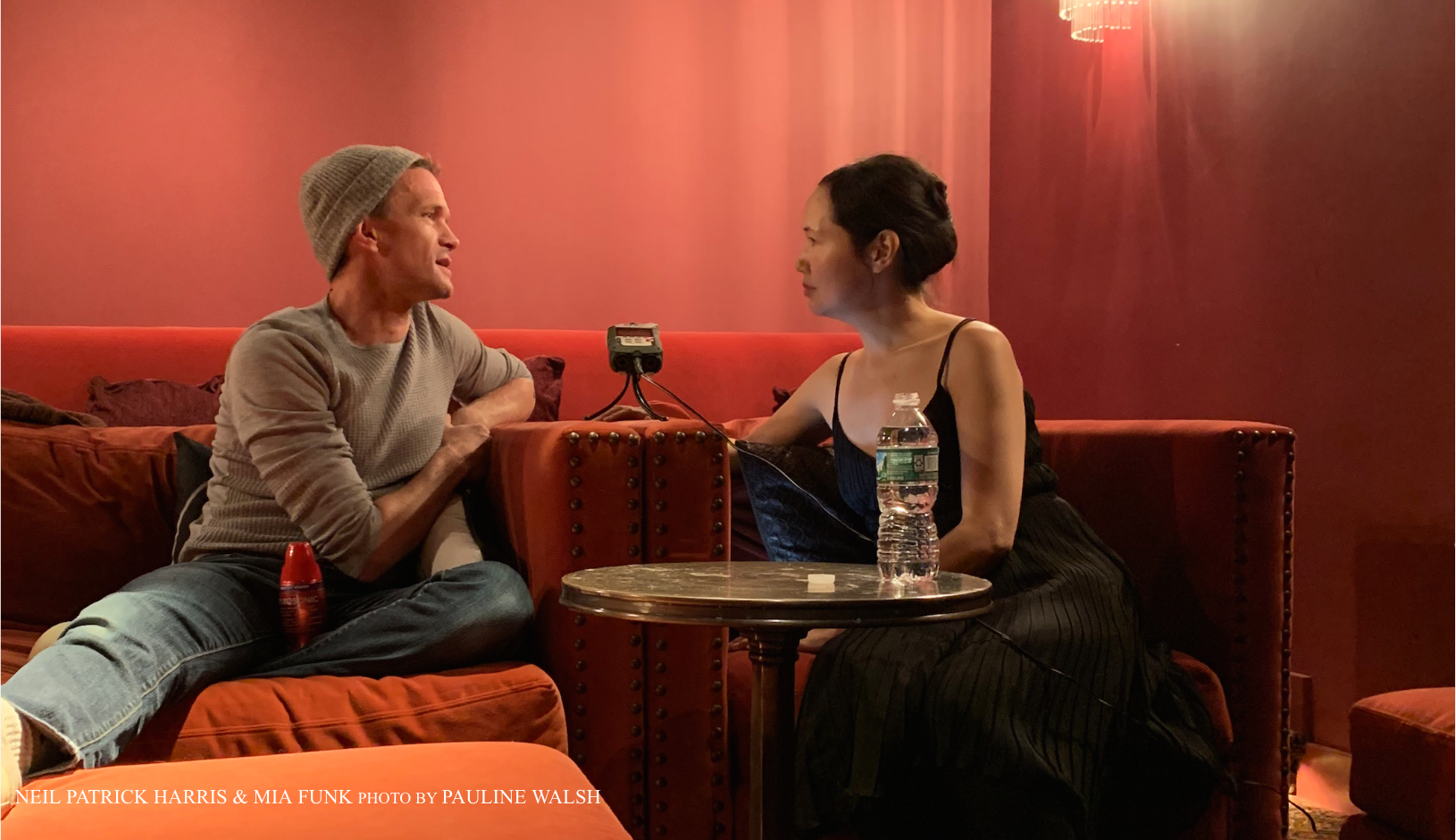
And I remember I was just the whitest kid ever from small-town New Mexico in this big city of Los Angeles…I'm sitting there watching this play about a lower middle-class African-American man in Pittsburgh and his family. And I just remember being so moved, moved to tears at 13, 14 years old…And it was so moving. And I did think even back then, I recognized the impact that the theater can have on someone that isn't even anything like what they're like.

ALAIN ROBERT

ALAIN ROBERT

Famous Rock & Urban Climber
"The French Spider-Man”
Known for Free Solo Climbing 200+ of the World’s Tallest Skyscrapers using no Climbing Equipment

First of all, yes, I need to know what I will be climbing, whether it's on rocks or whether it's on buildings. And then there is physical preparation. And regarding the mindset, it's more something that became a bit automatic over the years because I have been free soloing for almost 50 years. So it is pretty much my whole life. So that means that for me, being mentally ready, it's kind of simple. It's almost always the same mental process, meaning, I can be afraid before an ascent, but I know myself actually very well. And I know that once I am starting to climb, I feel fine. I put my fear aside, and I'm just climbing.

BERTRAND PICCARD

BERTRAND PICCARD

Psychiatrist, Explorer, Aviator of the First Round-the-World Solar-powered Flight
Founder and Chairman of Solar Impulse Foundation: 1000+ Profitable Climate Solutions
United Nations Goodwill Ambassador for the Environment

So this is why I prefer to speak with a really down to earth language. So maybe the people who love nature are going to say, “Oh, Bertrand Piccard, now he is too down to earth. He's speaking about profitable solutions. He's speaking to the industries that are polluting,” but we have to speak to the industries that are polluting and bring them profitable solutions, otherwise the world will never change, or humankind will never change. And don't forget one thing, what we are damaging is not the beauty of nature. What is being damaged is the quality of life of human beings on Earth because we can still have beautiful things to see, but if we have climate change, if we have tropical disease in Europe, if we have heat waves, floods, droughts, millions of climate refugees, life will be miserable, even if nature is still beautiful.

MICHAEL STICKA

MICHAEL STICKA

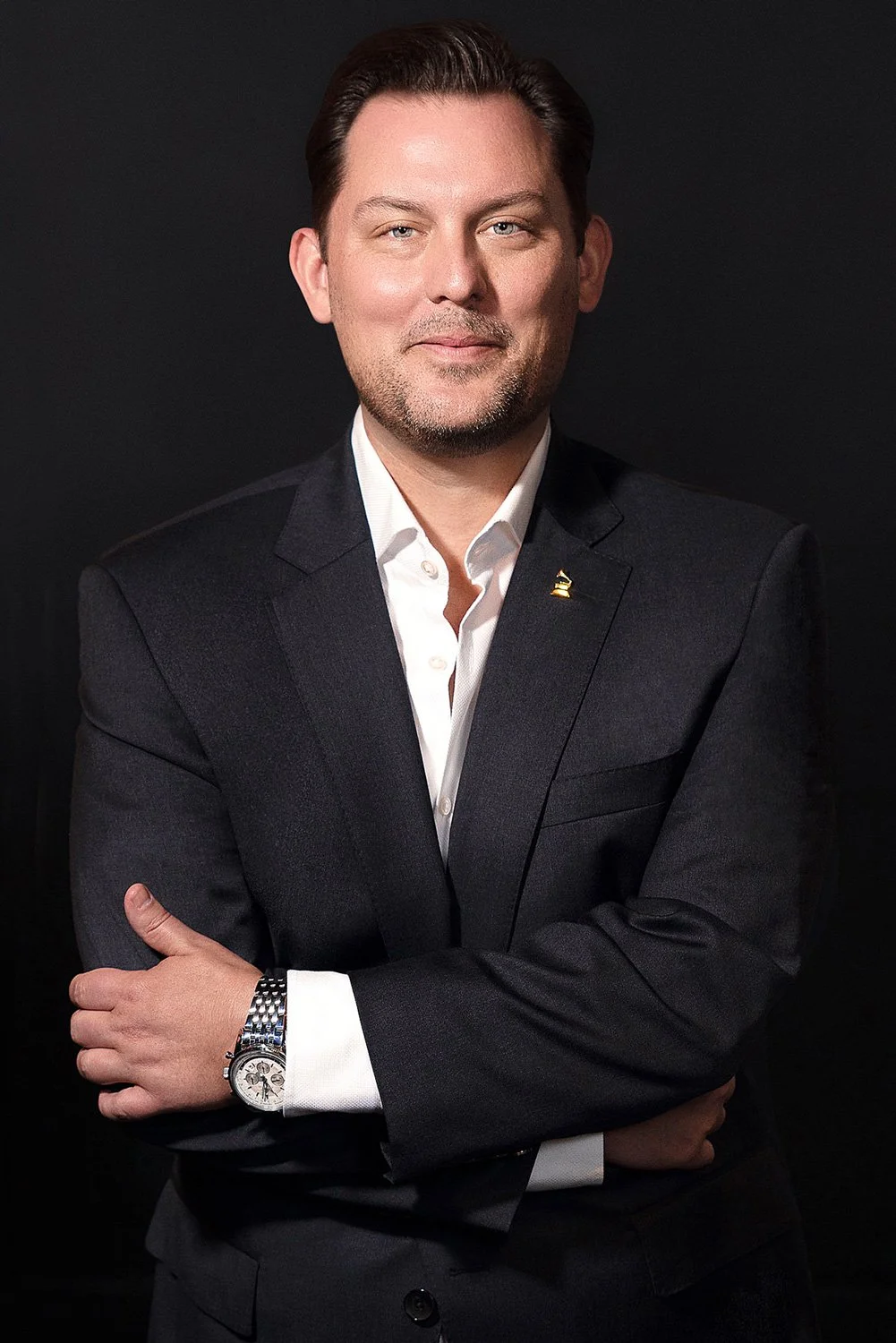
President/CEO of the GRAMMY Museum

It's actually right in our mission statement that “we celebrate the music of yesterday and today to inspire the music of tomorrow.” And we do it through our exhibits. We have 35,000 square feet of galleries. We travel exhibits, really, all over the world over the world for the past 15 years. And through our education programs, we really focus on the next generation of music's creators and leaders. We do that through really specific curricula that is designed to educate particularly young people, K-12, about the business of music, especially for those who want to go into the industry.

YOLANDA KAKABADSE

YOLANDA KAKABADSE

Fmr. Minister of Environment, Ecuador
Fmr. President: WWF Int’l, World Conservation Union, Founder Fundacion Futuro Latinoamericano

One of the reasons why we haven't been able to overcome many of the climate crisis factors is because people don't understand what it means. What is it about? What can I do? Usually, when we hear these experts speak about the climate crisis, at least me, I don't understand 9/10ths of the speech or the document. Simplifying the message, allowing that difficult scientific knowledge to become popular language that I can use when explaining to a child, to a rural person, to someone who has a different type of education, that knows much more about the planet but not necessarily about university, explaining those difficult issues will make a difference. And we have to invest much more in that. Speaking difficult scientific language is not helpful to the majority of society.

LISA EDELSTEIN

LISA EDELSTEIN

Actress · Artist · Director · Producer · Writer
House M.D. · Girlfriends’ Guide to Divorce · Little Bird · The West Wing · The Kominsky Method

I have always thrown myself into everything, and that includes terrible things, because I want to have the whole experience. Even if I know it's going to hurt for better or for worse, that has been how I've lived my life. And so it's given me a lot of information and allowed me to play a lot of different roles and understand a lot of different points of view. I think part of the beauty of being in a long-running television show is that, in season one, you're playing the role they wrote. By season two, they're writing the person you're playing. You start to build your voice, and they start to merge, and so by the time you get to season three, you're much more like full human beings having this dialogue.

APRIL GORNIK

APRIL GORNIK

Artist · Environmentalist
Co-founder of The Church · Arts & Creativity Center
Co-director of Sag Harbor Cinema Board

I've chosen my work because I've loved the outside world. I love the things outside of myself. I love what isn't immediate to me. And I love projecting onto that as a way of kind of trying to reach the distance between my inner self and the vastness. To try to do that in a way that makes other people feel inspired by it, not be chided for not taking care of it. It's not something that I intend to be a message per se. I'd rather people look at the natural world and see the heartbreaking beauty of it and sense its fragility and its impermanence and their own impermanence and fragility and then have a response to that rather than say, you know, you have to act, you have to do something. I would hope that would inspire action rather than to cudgel them with a directive.

DAVID RUBIN

DAVID RUBIN

President of the Academy of Motion Picture Arts & Sciences 2019-2022
Casting Director & Producer

What an academy was meant to be, going back to their founding, really is a group of people with a certain degree of passion and expertise and knowledge that want to get together and share. That's what I think academies are all about. So the fact that I've been helpful in spurring the Academy onto becoming a more international and global enterprise is a source of great satisfaction to me

Special Earth Day Stories

Special Earth Day Stories

Environmentalists, Artists, Students & Teachers share their Love for the Planet

Today we’re streaming voices of environmentalists, artists, students, and teachers with music courtesy of composer Max Richter.

JOËLLE GERGIS

JOËLLE GERGIS

Lead Author  of the IPCC Sixth Assessment Report · Author of Humanity’s Moment: A Climate Scientist’s Case for Hope · Sunburnt Country · Contributor to The Climate Book, ed. Greta Thunberg · Not Too Late, eds. Rebecca Solnit, Thelma Young Lutunatabua

We're really starting to witness serious climate extremes that can no longer be ignored. And the IPCC, one of our key conclusions to that report was that effectively the human fingerprint on the climate system is now undeniable. It is now an established fact that we have warmed every single continent, every ocean basin on the planet. And again, that's a pretty serious thing to contemplate that human activity from the burning of fossil fuels and the clearing of land has led to this energy imbalance in the earth system, which is leading to a rapidly shifting climate.

TODD B. KASHDAN

TODD B. KASHDAN

APA Award-winning Author of The Art of Insubordination: How to Dissent and Defy Effectively
Curious? · The Upside of Your Dark Side
Leading Authority on Well-being, Curiosity, Courage & Resilience

We're really talking about principled rebels. And when we talk about insubordination, we're talking about most of us live in these social hierarchies, and there's the idea, this started in the military and still goes on, where if someone at a lower rank questions or challenges a command or a norm that someone of a higher rank, that's considered an act of insubordination. And one of the main problems of that, I think anyone who's listening can acknowledge, is it depends on the quality of the idea of the person who's raising the question. I just realized there was this whole body of literature on minority influence that no one had put together into a book for the general public, and considering the racial reckoning that occurred during COVID-19, the extra attention to diversity, to disadvantaged groups, every moment of society, it just feels like it's more and more relevant of what I've been working on.

MATHIS WACKERNAGEL

MATHIS WACKERNAGEL

Founder & President of Global Footprint Network
Winner of the World Sustainability Award · IAIA Global Environment Award

So shooting for one planet just means you would be totally dominant, and leave no space for other species. Ecologists say to maintain 85% of preindustrial biodiversity, it would take about at least half the planet left on its own. That would mean getting to half-planet. And now we use at least 1.75. I say at least because our assessments with about 15,000 data points per country in a year are based on UN statistics, and their demand side is probably an underestimate because not all demands are included. And also on the supply side or the regeneration side, the UN is very production oriented, so it's the FAO numbers, for example, look at agricultural production, and the depletion side or the destruction side is not factored in adequately. So that's why it's an underestimate. And still, it shows we use about 1.75 Earths, and that's more than three times half an Earth. So that's kind of the difference. But we also know overshoot will end one way or another. The question is do we choose to end it? Do we choose it by design, or do we let nature take the lead and end overshoot by disaster? So it's really ending overshoot by design or disaster. That's the big choice we need to make.